
Here is the translation of the article into English, maintaining the HTML structure and links:
Safety and maintenance checklist for your storage system | Technical Racking Inspection
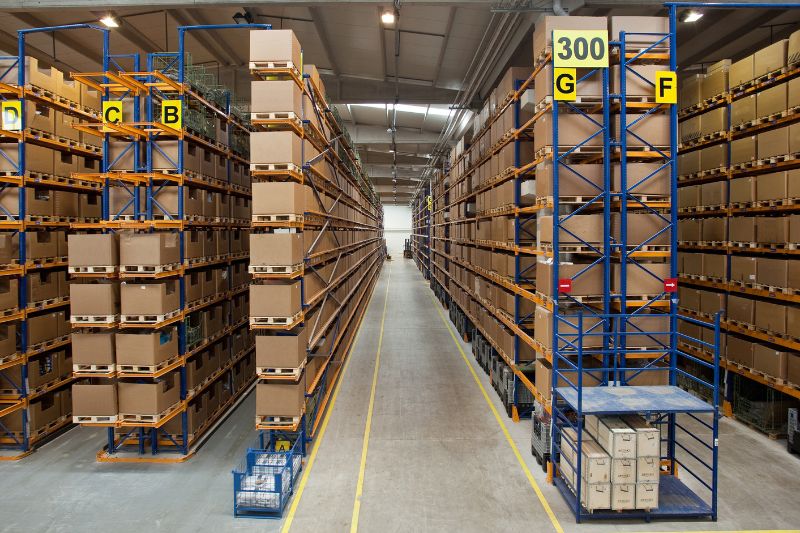
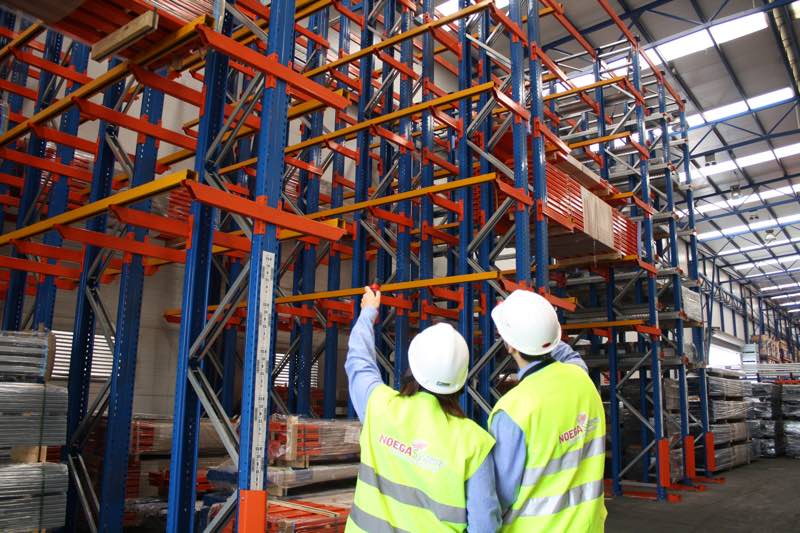
An efficient storage system is not just a well-assembled structure; it is a living installation subject to impacts, operational changes, expansions, relocations, and staff turnover. Therefore, warehouse performance and personnel safety depend on a continuous approach: review, maintenance, and training.
Why racking safety cannot be “reactive”
In practice, most incidents arise from small ignored signals: a “minor” dent in an upright, a slightly deformed beam, a missing protector, or an incorrectly positioned load. What seems minor, accumulated over time, increases risk. And when that risk materializes, the cost is not just material: downtime, damaged goods, accidents, and lost productivity.
Weekly operational checklist (quick and effective)
- Clear aisles: no pallets out of place or obstacles.
- Visible impacts: uprights, frames, beams, diagonals.
- Correct loads: whole pallets, no broken boards, correct supports.
- Signage: load plaques visible and legible.
- Protections: upright, rack end, and aisle protectors in place.
- Picking order: replenishment without invading traffic zones.
Monthly checklist (to prevent “silent” problems)
- Levels and plumbs: deviations indicating settlement or impact.
- Loose elements: bolts, anchors, fixings.
- Floor damage: potholes, broken joints, areas compromising forklifts.
- Lighting and visibility: blind spots that increase collisions.
- Traffic: conflicting crossings, speeds, internal rules.
“Symptoms” and recommended actions table
| Symptom | Typical Risk | Immediate Action | Corrective Action |
|---|---|---|---|
| Dented or bowed upright | Loss of load-bearing capacity | Signpost and limit use of the level | Assess for replacement / certified repair |
| Deformed beam | Local collapse and falling load | Safely remove the load | Technical review and replacement if necessary |
| Loose or missing anchors | Frame instability | Check area and restrict operation | Re-anchor according to specification |
| Missing protections | Recurring damage from impacts | Replace and signpost | Install adequate protection and train the team |
| Pallets in poor condition | Breakage, falls, and jams | Remove defective pallet | Establish pallet and supplier control protocol |
Training, the most noticeable multiplier
It doesn’t matter how good the system is if the team lacks clear criteria: which pallets are accepted, how a load is positioned, where the height limit is, what to do after an impact, or when to stop a zone. Training reduces hits, improves speed, and creates a culture of prevention.
Signs that you need a technical review as soon as possible
- You have reconfigured the installation (levels, beams, aisles) without subsequent validation.
- There have been relocations, expansions, or changes in operations and equipment.
- You notice frequent impacts on uprights or rack ends.
- New references with different weights or dimensions have been introduced.
- The installation is years old and you don’t remember the last full technical inspection.
View this post on Instagram
Frequently Asked Questions
What should I do if I detect an impact on a rack?
Mark the area, avoid using that level if in doubt, and record the damage. Then, have expert personnel evaluate whether it requires repair or replacement.
Do protections really reduce costs?
Yes. They reduce direct impacts on structural elements and prevent a “normal” hit from turning into component replacement and operational downtime.
How do I know if my installation is working within its capacity?
There must be load information per level and per bay; verify that actual operations comply with those conditions (pallet type, support, distribution, and weight).
How often should the team be trained?
Whenever there is staff turnover, operational changes, or new equipment, training should be refreshed. A well-focused session reduces incidents and improves productivity.
At ITE, we perform technical racking inspections, define action plans, and supply certified protections and spare parts. We train your team and accompany you in continuous improvement for safer and more efficient industrial storage. Contact us.